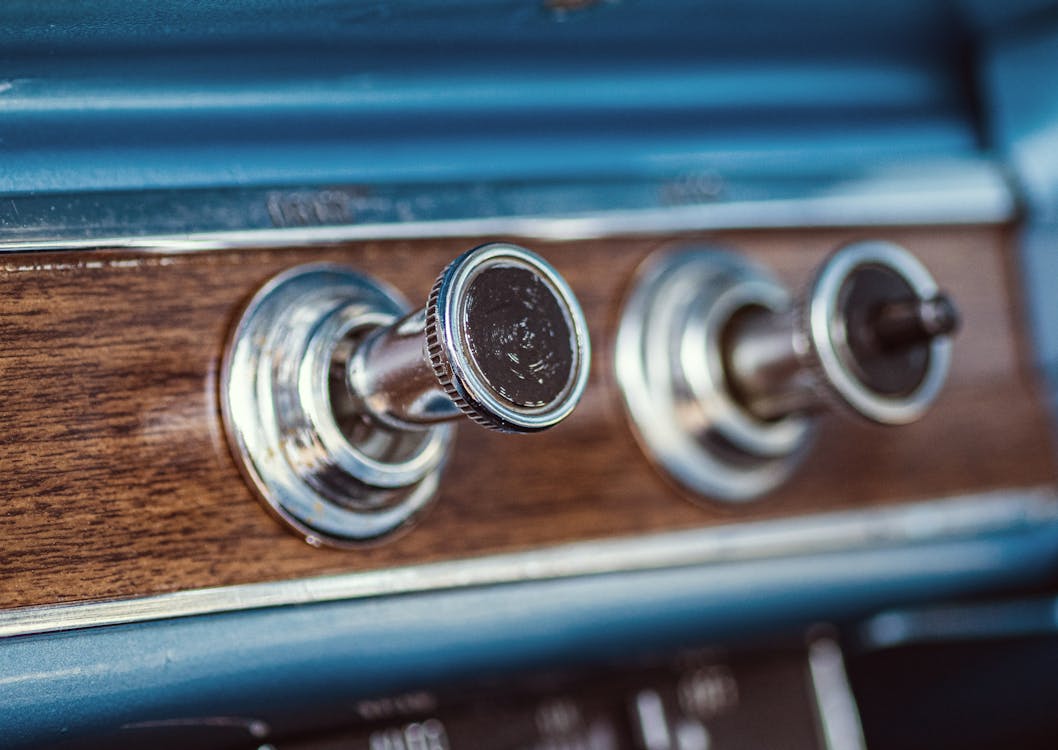
For the past decade, vehicle interiors have actually been swiftly progressing toward sleek, screen-dominated control board. Touchscreens replaced traditional handles, sliders, and buttons in what lots of assumed was the unpreventable march of development. Yet, in an unexpected twist, physical switches are quietly making their way back right into modern automobiles. The shift signals greater than simply a sentimental nod-- it's a feedback to real-world feedback from motorists craving simplicity, safety and security, and tactile fulfillment.
The Digital Overload Dilemma
When touchscreens initially began taking over dashboards, they seemed like the future: tidy, personalized, and loaded with functions. They got rid of mess and permitted car manufacturers to streamline their interiors with fewer physical elements. However as even more attributes were hidden within electronic food selections, motorists started to voice problems.
Touchscreens typically call for several steps to do basic tasks like readjusting the climate or changing the radio station. Unlike buttons, they do not have the instinctive muscular tissue memory that permits a driver to transform a setup without taking their eyes off the roadway. With so much happening on-screen, it becomes all too very easy to obtain distracted-- something no one desires when taking a trip at highway speeds.
The Return of Tactile Functionality
Among the largest benefits of switches is their tactile feedback. You can feel them without requiring to look. This sensory support makes them not just hassle-free yet much safer for chauffeurs. When your hand intuitively understands where the volume handle is or exactly how far to press a button to turn on the defrost, it reduces the need to look down or away from the roadway. And while touchscreens use ease for infomercial and navigation, the essential daily features-- like risk lights, audio controls, and HVAC-- feel better fit to physical controls.
In fact, lots of drivers that formerly swore by electronic systems have revealed admiration for newer designs that mix modern appearances with the functional feeling of traditional controls. It's not regarding denying development-- it's regarding boosting usability.
A Balanced Design Philosophy
Designers have noticed this changing sentiment. Instead of abandoning displays, they're reassessing how they're integrated. The best interiors now strike a balance between digital adaptability and analog accuracy. That indicates purposefully positioning switches for essential functions while using electronic user interfaces for applications, navigating, and media.
This hybrid strategy is specifically preferred in lorries made for long-distance driving or family members. The convenience of pushing a button without stumbling through a food selection makes a large distinction when you're attempting to stay focused, comfy, and risk-free. Even in cars known for sophisticated technology, a basic rotary dial or responsive control can be the function that sways drivers looking for thoughtful layout.
Buttons and the Emotional Connection
There's likewise something uniquely psychological regarding switches. They bring a specific degree of engagement that touchscreens simply don't reproduce. Pressing a switch or turning a dial seems like you're physically connecting with your automobile-- it includes a layer of connection that makes the driving experience extra pleasurable.
For those considering used Chevy cars, automobiles from recent years often offer the very best of both worlds: receptive touch user interfaces coupled with traditional physical controls. These models bridge the gap between advancement and knowledge, making them optimal for motorists who appreciate modern functions without sacrificing convenience of use.
Modern Technology Isn't Just About Screens
It's very easy to merge innovation with displays, however real technology means improving the vehicle driver experience. In this light, buttons are a form of clever layout. They're quick, exact, and do not require focus. As auto layout comes to be progressively driver-centric, comfort and intuitiveness take spotlight.
This also connections straight into the resale and trade-in worth of automobiles. Cars that prioritize easy to use attributes often tend to mature much better in the eyes of future purchasers. If you're considering a Chevrolet trade in, understanding that your current lorry uses an attentively created interior, total with easily available controls, can have a favorable effect.
The Future Is Functional
As car suppliers re-evaluate the role of user interfaces in the cabin, they're guided by motorist feedback and real-world functionality researches. The revival of switches does not signal a return to the past-- it's an advance in thoughtful, user-first layout. It acknowledges that development does not constantly mean getting rid of the old yet incorporating it in a way that makes driving much safer, easier, and extra enjoyable.
If you're in the marketplace and discovering Chevy new car deals, watch on just how various versions handle their indoor controls. It's not almost the touchscreen size-- it's about how the vehicle helps you remain concentrated on the road while making your daily commute more intuitive. Buttons could not be the flashiest attribute, however they're rapidly becoming one of one of the most valued.
For more understandings right into automobile trends, interior decoration technologies, and this website wise automobile shopping pointers, make sure to check back frequently. We're always upgrading the blog with fresh concepts to help you browse the road in advance.